Domain goldsilber24.de kaufen?
Wir ziehen mit dem Projekt
goldsilber24.de um.
Sind Sie am Kauf der Domain
goldsilber24.de interessiert?
domain@kv-gmbh.de · 0541-91531010
Domain goldsilber24.de kaufen?
Warum ergeben 10 ml Spiritus und 10 ml destilliertes Wasser keine 20 ml Flüssigkeit?
Wenn Spiritus und destilliertes Wasser gemischt werden, findet eine Volumenkontraktion statt. Das bedeutet, dass die Moleküle des Spiritus und des Wassers enger zusammenrücken und somit weniger Platz einnehmen. Dadurch ergibt die Mischung von 10 ml Spiritus und 10 ml destilliertem Wasser keine 20 ml Flüssigkeit, sondern etwas weniger. **
Ist 10 ml ein Zehntel eines Liters, also 10 mal 10 ml gleich 1 Liter?
Ja, 10 ml ist ein Zehntel eines Liters. Wenn man 10 mal 10 ml nimmt, ergibt das 100 ml, was einem Zehntel eines Liters entspricht. Um 1 Liter zu erhalten, müsste man 1000 ml haben. **

Ähnliche Suchbegriffe für 10-ml-Lemon-Essential
Top-Angebote
Produkte zum Begriff 10-ml-Lemon-Essential:
-
10 ml Lemon Tea Tree Essential OilLatin Name : Leptospermum PetersoniiPart Of Plant Used : LeavesSource : AustraliaExtraction Method : Steam DistillationUplifting, grounding and cleansing, therapeutically Lemon Tea Tree Essential Oil is a powerful anti-microbial, anti-septic and anti-histamine. It can be used to combat inflammatory skin conditions, aid sleep and concentration and makes an excellent room deodoriser. Lemon Tea Tree has a fresh astringent, lemony scent that is pungent and slightly herbaceous.Lemon Tea Tree has a very powerful effect on the emotions, providing calming, centering, and focus to the more challenging times of the day. It can be used to combat backyard nuisances, deodorize a stale room, and has an uplifting and calming effect. It is helpful with concentration and focus, and can aid to ease excess worry and fear, while promoting positive feelings.5,00 €*Versand: 5,85 €Sichere Weiterleitung zum Anbieter
-
Lemon 50ml Essential OilLatin Name : Citrus LimonPart Of Plant Used : Fruit PeelSource : ItalyExtraction Method : Cold ExpressionLemon Essential Oil has a sharp, fresh smell and is extracted from the fresh lemon fruit peel by cold expression. This oil is refreshing to the mind, and sharpens concentration, so it is often preferred in room fresheners for offices and banks. It is believed to help with rheumatism, arthritis, and gout. It has been used to cure skin troubles like abscesses, boils,carbuncles, and acne. It boosts the immune system and cleanses the body.When used in an oil burner (a few drops in water), the vapours of lemon oil are used for colds, laryngitis, headache, and flu. Smelling the aroma is helpful for mental hiccups like depression, irritation, stress, lethargy, and fatigue. It lifts the spirits and clears the mind. When a few drops are added to the bath or when blended into a massage oil, it is said to ease digestive problems, lack of energy, tiredness, infections, obesity, rheumatism, depression, and stress. It is also used to help get rid of hangovers. The lemon plant is native to India and maybe China, and was brought to Europe by the Crusaders in the Middle Ages. Since the fruit has a good amount of vitamins A, B and C, an ounce a day was given to sailors to prevent scurvy, eye problems, and other vitamin deficiencies.8,13 €*Versand: 5,85 €Sichere Weiterleitung zum Anbieter


-
Was entspricht 10 ml?
Was entspricht 10 ml? 10 ml entspricht einem Volumen von 10 Kubikzentimetern oder einem Zehntel eines Deziliters. Das entspricht auch ungefähr zwei Teelöffeln oder zwei Millilitern. In Bezug auf Flüssigkeiten kann man sich vorstellen, dass 10 ml etwa einem kleinen Schluck Wasser entsprechen. Es ist eine relativ kleine Menge, die jedoch je nach Kontext und Anwendungszweck eine wichtige Rolle spielen kann. **
-
Wie messe ich 10 ml und 20 ml ab?
Um 10 ml abzumessen, kannst du eine 10 ml-Messpipette oder eine Spritze verwenden. Fülle die Pipette oder Spritze mit der Flüssigkeit bis zur Markierung von 10 ml. Um 20 ml abzumessen, kannst du entweder zweimal eine 10 ml-Messpipette oder eine 20 ml-Messpipette verwenden und sie bis zur entsprechenden Markierung füllen. **
-
Wie viel ist 10 ml?
"10 ml entspricht 10 Millilitern, was eine Volumeneinheit ist. Um sich das besser vorstellen zu können, entspricht 10 ml etwa einem Esslöffel. In Bezug auf Flüssigkeiten ist 10 ml eine relativ kleine Menge, die oft für Medikamente, Gewürze oder Aromen verwendet wird. Es ist wichtig, genau zu messen, wenn man mit kleinen Mengen arbeitet, um die gewünschten Ergebnisse zu erzielen." **
-
Welches Mischverhältnis von Aromazuckerwatte (5-10 ml) auf 100 ml Base?
Das Mischverhältnis von Aromazuckerwatte auf Base beträgt 5-10 ml Aromazuckerwatte auf 100 ml Base. Dies bedeutet, dass du zwischen 5 und 10 ml Aromazuckerwatte in 100 ml Base mischen solltest, um das gewünschte Geschmackserlebnis zu erzielen. **

Was sind 10 ml in Gramm?
Was sind 10 ml in Gramm? Die Umrechnung von Millilitern (ml) in Gramm hängt von der Dichte der Substanz ab. Da die Dichte verschiedener Flüssigkeiten unterschiedlich ist, kann man nicht pauschal sagen, wie viele Gramm 10 ml einer bestimmten Flüssigkeit wiegen. Um die genaue Masse in Gramm zu berechnen, muss man die Dichte der Flüssigkeit kennen und die Formel Masse = Volumen x Dichte anwenden. Daher ist es wichtig, die spezifische Dichte der Flüssigkeit zu berücksichtigen, um die Masse in Gramm zu bestimmen. **
Wie viele Tropfen ergeben 10 ml?
Wie viele Tropfen 10 ml ergeben, hängt von der Viskosität und Dichte der Flüssigkeit ab. In der Regel enthält eine Standardpipette etwa 20 Tropfen pro Milliliter. Das bedeutet, dass 10 ml etwa 200 Tropfen entsprechen könnten. Es ist jedoch wichtig zu beachten, dass diese Angaben nur als grobe Schätzung dienen und je nach Flüssigkeit variieren können. Es ist daher ratsam, die genaue Anzahl der Tropfen für eine bestimmte Flüssigkeit durch eine Messung zu bestimmen. **
Top-Angebote
Produkte zum Begriff 10-ml-Lemon-Essential:
-
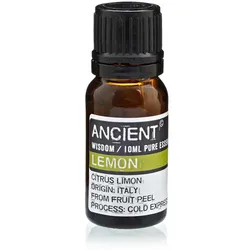
10 ml Lemon Essential OilLatin Name : Citrus LimonPart Of Plant Used : Fruit PeelSource : ItalyExtraction Method : Cold ExpressionLemon Essential Oil has a sharp, fresh smell and is extracted from the fresh lemon fruit peel by cold expression. This oil is refreshing to the mind, and sharpens concentration, so it is often preferred in room fresheners for offices and banks. It is believed to help with rheumatism, arthritis, and gout. It has been used to cure skin troubles like abscesses, boils,carbuncles, and acne. It boosts the immune system and cleanses the body.When used in an oil burner (a few drops in water), the vapours of lemon oil are used for colds, laryngitis, headache, and flu. Smelling the aroma is helpful for mental hiccups like depression, irritation, stress, lethargy, and fatigue. It lifts the spirits and clears the mind. When a few drops are added to the bath or when blended into a massage oil, it is said to ease digestive problems, lack of energy, tiredness, infections, obesity, rheumatism, depression, and stress. It is also used to help get rid of hangovers. The lemon plant is native to India and maybe China, and was brought to Europe by the Crusaders in the Middle Ages. Since the fruit has a good amount of vitamins A, B and C, an ounce a day was given to sailors to prevent scurvy, eye problems, and other vitamin deficiencies. The first real lemon cultivation in Europe began in Genoa in the mid-fifteenth century. It was later introduced to America by Christopher Columbus. Spanish conquests helped spread the lemon seeds farther. Lemon was mainly used as an ornament and as medicine. It was only much later that it began to be used in cooking.3,13 €*Versand: 5,85 €Sichere Weiterleitung zum Anbieter
-
10 ml Lemon Verbena Essential OilLatin Name : Aloysia TriphyllaPart Of Plant Used : HerbSource : SpainExtraction Method : Steam DistillationEmotionally and energetically, Lemon Verbena Essential Oil can help relieve anxiety and depression. Its sedative and aphrodisiac properties make it helpful for relaxing the mind and uplifting and improving one's mood.Using lemon verbena essential oil is a popular herbal remedy with a stimulating scent, and has a wide range of potential health benefits when used properly.With its expectorant properties, verbena oil is often used to loosen phlegm, clear congestion and soothe the associated pain of a hacking cough. What’s more, the high citral content means it can often kill the bacteria found in mucus.The physical relief induced by verbena is well-established, but it has many mentally therapeutic benefits too. Verbena’s presence in body mists, massage oils, candles and diffusers can inspire and stimulate the mind, providing sweet relief from the lethargy and monotony of the daily grind.4,94 €*Versand: 5,85 €Sichere Weiterleitung zum Anbieter
-
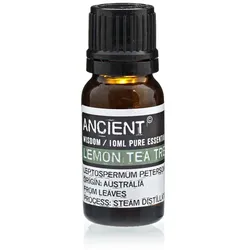
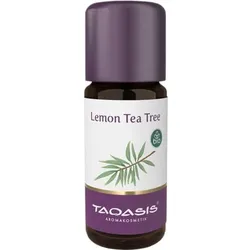
10 ml Lemon Tea Tree Essential OilLatin Name : Leptospermum PetersoniiPart Of Plant Used : LeavesSource : AustraliaExtraction Method : Steam DistillationUplifting, grounding and cleansing, therapeutically Lemon Tea Tree Essential Oil is a powerful anti-microbial, anti-septic and anti-histamine. It can be used to combat inflammatory skin conditions, aid sleep and concentration and makes an excellent room deodoriser. Lemon Tea Tree has a fresh astringent, lemony scent that is pungent and slightly herbaceous.Lemon Tea Tree has a very powerful effect on the emotions, providing calming, centering, and focus to the more challenging times of the day. It can be used to combat backyard nuisances, deodorize a stale room, and has an uplifting and calming effect. It is helpful with concentration and focus, and can aid to ease excess worry and fear, while promoting positive feelings.5,00 €*Versand: 5,85 €Sichere Weiterleitung zum Anbieter
-
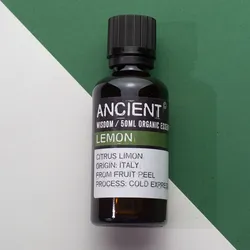
Lemon 50ml Essential OilLatin Name : Citrus LimonPart Of Plant Used : Fruit PeelSource : ItalyExtraction Method : Cold ExpressionLemon Essential Oil has a sharp, fresh smell and is extracted from the fresh lemon fruit peel by cold expression. This oil is refreshing to the mind, and sharpens concentration, so it is often preferred in room fresheners for offices and banks. It is believed to help with rheumatism, arthritis, and gout. It has been used to cure skin troubles like abscesses, boils,carbuncles, and acne. It boosts the immune system and cleanses the body.When used in an oil burner (a few drops in water), the vapours of lemon oil are used for colds, laryngitis, headache, and flu. Smelling the aroma is helpful for mental hiccups like depression, irritation, stress, lethargy, and fatigue. It lifts the spirits and clears the mind. When a few drops are added to the bath or when blended into a massage oil, it is said to ease digestive problems, lack of energy, tiredness, infections, obesity, rheumatism, depression, and stress. It is also used to help get rid of hangovers. The lemon plant is native to India and maybe China, and was brought to Europe by the Crusaders in the Middle Ages. Since the fruit has a good amount of vitamins A, B and C, an ounce a day was given to sailors to prevent scurvy, eye problems, and other vitamin deficiencies.8,13 €*Versand: 5,85 €Sichere Weiterleitung zum Anbieter
-
Warum ergeben 10 ml Spiritus und 10 ml destilliertes Wasser keine 20 ml Flüssigkeit?
Wenn Spiritus und destilliertes Wasser gemischt werden, findet eine Volumenkontraktion statt. Das bedeutet, dass die Moleküle des Spiritus und des Wassers enger zusammenrücken und somit weniger Platz einnehmen. Dadurch ergibt die Mischung von 10 ml Spiritus und 10 ml destilliertem Wasser keine 20 ml Flüssigkeit, sondern etwas weniger. **
-
Ist 10 ml ein Zehntel eines Liters, also 10 mal 10 ml gleich 1 Liter?
Ja, 10 ml ist ein Zehntel eines Liters. Wenn man 10 mal 10 ml nimmt, ergibt das 100 ml, was einem Zehntel eines Liters entspricht. Um 1 Liter zu erhalten, müsste man 1000 ml haben. **
-
Was entspricht 10 ml?
Was entspricht 10 ml? 10 ml entspricht einem Volumen von 10 Kubikzentimetern oder einem Zehntel eines Deziliters. Das entspricht auch ungefähr zwei Teelöffeln oder zwei Millilitern. In Bezug auf Flüssigkeiten kann man sich vorstellen, dass 10 ml etwa einem kleinen Schluck Wasser entsprechen. Es ist eine relativ kleine Menge, die jedoch je nach Kontext und Anwendungszweck eine wichtige Rolle spielen kann. **
-
Wie messe ich 10 ml und 20 ml ab?
Um 10 ml abzumessen, kannst du eine 10 ml-Messpipette oder eine Spritze verwenden. Fülle die Pipette oder Spritze mit der Flüssigkeit bis zur Markierung von 10 ml. Um 20 ml abzumessen, kannst du entweder zweimal eine 10 ml-Messpipette oder eine 20 ml-Messpipette verwenden und sie bis zur entsprechenden Markierung füllen. **
Ähnliche Suchbegriffe für 10-ml-Lemon-Essential
-
Lemon Organic Essential Oil 50mlOrganic essential oils are oils that are derived from plants that are not grown using pesticides, fertilizers or other chemicals.Non-organic essential oils come from products that can use those type of chemicals. If you are worried about these type of chemicals in your essential oils, then you will want to look at our new range of wholesale organic essential oils. The vapours of lemon oil are used for colds, laryngitis, headache, and flu. Smelling the aroma is helpful for mental hiccups like depression, irritation, stress, lethargy, and fatigue.20,25 €*Versand: 5,85 €Sichere Weiterleitung zum Anbieter
-
Lemon Organic Essential Oil 10mlLatin Name : Citrus LimonPart Of Plant Used : Fruit PeelSource : ItalyExtraction Method : Cold ExpressionLemon Organic Essential Oil has a sharp, fresh smell and is extracted from the fresh lemon fruit peel by cold expression. This oil is refreshing to the mind, and sharpens concentration, so it is often preferred in room fresheners for offices and banks. It is believed to help with rheumatism, arthritis, and gout. It has been used to cure skin troubles like abscesses, boils,carbuncles, and acne. It boosts the immune system and cleanses the body.When used in an oil burner (a few drops in water), the vapours of lemon oil are used for colds, laryngitis, headache, and flu. Smelling the aroma is helpful for mental hiccups like depression, irritation, stress, lethargy, and fatigue. It lifts the spirits and clears the mind. When a few drops are added to the bath or when blended into a massage oil, it is said to ease digestive problems, lack of energy, tiredness, infections, obesity, rheumatism, depression, and stress. It is also used to help get rid of hangovers. The lemon plant is native to India and maybe China, and was brought to Europe by the Crusaders in the Middle Ages. Since the fruit has a good amount of vitamins A, B and C, an ounce a day was given to sailors to prevent scurvy, eye problems, and other vitamin deficiencies. The first real lemon cultivation in Europe began in Genoa in the mid-fifteenth century. It was later introduced to America by Christopher Columbus. Spanish conquests helped spread the lemon seeds farther. Lemon was mainly used as an ornament and as medicine. It was only much later that it began to be used in cooking.5,85 €*Versand: 5,85 €Sichere Weiterleitung zum Anbieter
-
Wie viel ist 10 ml?
"10 ml entspricht 10 Millilitern, was eine Volumeneinheit ist. Um sich das besser vorstellen zu können, entspricht 10 ml etwa einem Esslöffel. In Bezug auf Flüssigkeiten ist 10 ml eine relativ kleine Menge, die oft für Medikamente, Gewürze oder Aromen verwendet wird. Es ist wichtig, genau zu messen, wenn man mit kleinen Mengen arbeitet, um die gewünschten Ergebnisse zu erzielen." **
-
Welches Mischverhältnis von Aromazuckerwatte (5-10 ml) auf 100 ml Base?
Das Mischverhältnis von Aromazuckerwatte auf Base beträgt 5-10 ml Aromazuckerwatte auf 100 ml Base. Dies bedeutet, dass du zwischen 5 und 10 ml Aromazuckerwatte in 100 ml Base mischen solltest, um das gewünschte Geschmackserlebnis zu erzielen. **
-
Was sind 10 ml in Gramm?
Was sind 10 ml in Gramm? Die Umrechnung von Millilitern (ml) in Gramm hängt von der Dichte der Substanz ab. Da die Dichte verschiedener Flüssigkeiten unterschiedlich ist, kann man nicht pauschal sagen, wie viele Gramm 10 ml einer bestimmten Flüssigkeit wiegen. Um die genaue Masse in Gramm zu berechnen, muss man die Dichte der Flüssigkeit kennen und die Formel Masse = Volumen x Dichte anwenden. Daher ist es wichtig, die spezifische Dichte der Flüssigkeit zu berücksichtigen, um die Masse in Gramm zu bestimmen. **
-
Wie viele Tropfen ergeben 10 ml?
Wie viele Tropfen 10 ml ergeben, hängt von der Viskosität und Dichte der Flüssigkeit ab. In der Regel enthält eine Standardpipette etwa 20 Tropfen pro Milliliter. Das bedeutet, dass 10 ml etwa 200 Tropfen entsprechen könnten. Es ist jedoch wichtig zu beachten, dass diese Angaben nur als grobe Schätzung dienen und je nach Flüssigkeit variieren können. Es ist daher ratsam, die genaue Anzahl der Tropfen für eine bestimmte Flüssigkeit durch eine Messung zu bestimmen. **
* Alle Preise verstehen sich inklusive der gesetzlichen Mehrwertsteuer und ggf. zuzüglich Versandkosten. Die Angebotsinformationen basieren auf den Angaben des jeweiligen Shops und werden über automatisierte Prozesse aktualisiert. Eine Aktualisierung in Echtzeit findet nicht statt, so dass es im Einzelfall zu Abweichungen kommen kann. ** Hinweis: Teile dieses Inhalts wurden von KI erstellt.